




Emile Bela Kouakou: Driving successful climate action through hands-on support
“Voices of ACCF” shines a light on the people driving climate action across Africa. Through brief interviews, beneficiaries, partners, and team members share their experiences and perspectives, highlighting the tangible impact of the Africa Climate Change Fund on communities and the environment.
Meet Emile Kouakou, Program officer for ACCF
Emile Bela Kouakou is an International Development Program Management Specialist with a strong background in project management methodologies in the areas of governance (Economic, Social and Political), Migration and Regional Integration and sustainable development (climate finance). Emile has 10 years of experience working with international organizations, including Civil Society Organizations, Development Cooperation Agencies and Multilateral Development Banks such as the African Development Bank, where he currently serves as a Programme Officer for the ACCF, coordinating programs in the Southern, Eastern and Central Africa Regions.
You are on the front line of project implementation. In your view, what are the key factors behind the success of an ACCF-supported project?
At the ACCF secretariat, we strongly believe that every single dollar counts and must be utilized in strict compliance with the Bank’s rules and procedures for procurement and disbursement in the utmost interest of the target beneficiaries. Success of Executing Agencies (EAs) is our shared success. We have adopted a unique approach that has proved effective and efficient, providing consistent desk support and occasional field supervision to EAs at all levels of implementation.
At the start of the project, we have a launch session to review the scope, expected outcomes, timeline, and budget. We also review the Grant Agreement to ensure common understanding and address questions from grantees. Most importantly, we take the Project Implementation Units through the Bank and ACCF’s requirements on procurement, disbursement, and reporting. These efforts help us navigate potential hurdles and anticipate challenges that may cause delay or failure. For us, it is not just about ticking the box to execute a project but an opportunity to build the technical and institutional capacities of our grantees and ensure projects achieve their objectives. So far, feedback from our grantees and the target populations during our field visits confirms that ACCF’s support is more than helpful to the success of the projects.
The ACCF operates in very diverse contexts across Africa. How does the team ensure that each project remains well adapted to local realities?
ACCF’s funding approach is mainly through competitive calls for proposals. Projects originate from entities who know and understand local realities. Before approving funds, we assess the relevance of projects against their objectives and alignment with national priorities as outlined in the Nationally Determined Contribution and climate agenda, as well as with the Bank’s country strategy. We also ensure that projects have strong endorsement from local authorities and buy-in from target communities. Constant monitoring, both desk and in-person, enables us to verify the practicality of what was proposed and make recommendations about where improvements are needed.
You have been part of the Fund since 2018. How have you seen the collaboration between the ACCF, its partners, and beneficiaries evolve over the years?
ACCF has come a long way since its inception in 2014. From a bilateral fund with a single donor, it has now grown to nine donors, eight of whom are currently active. When I joined in 2018, the Fund had only three donors, namely GIZ, Flanders (Belgium), and Italy. Today, several have renewed their commitments with additional funding, and we have also seen an increasing demand from potential beneficiaries through the growing number of applications to ACCF calls for proposals.
At that time, the first generation of ACCF-funded projects was still ongoing and the annual progress report reports focused mainly on climate finance readiness activities such as capacity building, workshops, and concept note development. These early initiatives were essential in laying the foundation for the tangible results we are now witnessing. Today, we can proudly showcase measurable outcomes and impactful stories from countries such as Côte d’Ivoire and Benin, illustrating how ACCF’s financing has improved the lives of thousands of women and youth in rural communities across Africa. While we continue to celebrate our humble beginnings, it is important to acknowledge the remarkable progress achieved, which confirms the Trust Fund’s role as a truly catalytic mechanism supporting African countries in their climate ambitions.
With over 30 approved projects and 11 years of existence, what is your personal wish for the future of the ACCF and its impact on the continent?
My best experience working with ACCF goes beyond office work from Abidjan. It is the incredible memories I have built from the field engaging with direct beneficiaries. It is so rewarding to hear their stories and how the Fund contributes to improving their lives. Anyone who knows ACCF’s work can only hope for a positive future for the Fund. Personally, I strongly hope that ACCF grows beyond its current size with more donors, more funding, more projects, and more lives transformed positively. My utmost wish is for ACCF to become a special initiative, such as SEFA, which was almost similar to ACCF back in 2017–2018 but has impressively expanded due to the great work done.
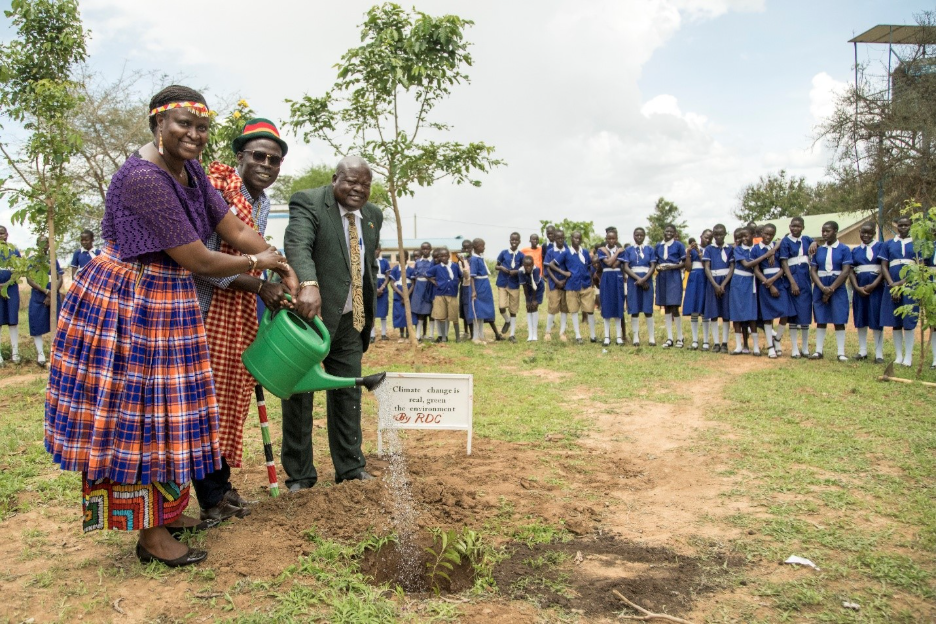
Any time you meet beneficiaries in the field, they have the same message: what you have done is good but too small to significantly and sustainably change the lives of populations. We call on the African Development Bank to do more for more impact. This is the message we bring back from the field visits, from Tadjoura in Djibouti to Mocubela in Mozambique, from Kotido in Uganda to Nyagatare in Rwanda. Of course, there will never be enough funds to address all needs, but I strongly wish ACCF will grow to reach more people affected by the impacts of climate change from different regions across Africa.